
Special Grains
Also known as: Ancient grains, heritage wheat varieties, céréales, granos especiales
Harvest: Seeded April–May; harvested late summer to early fall (August–September)
Characteristics: Traditional origins, unique grain structure; suitable for milling, baking and food processing
Know our varieties of Special Grains
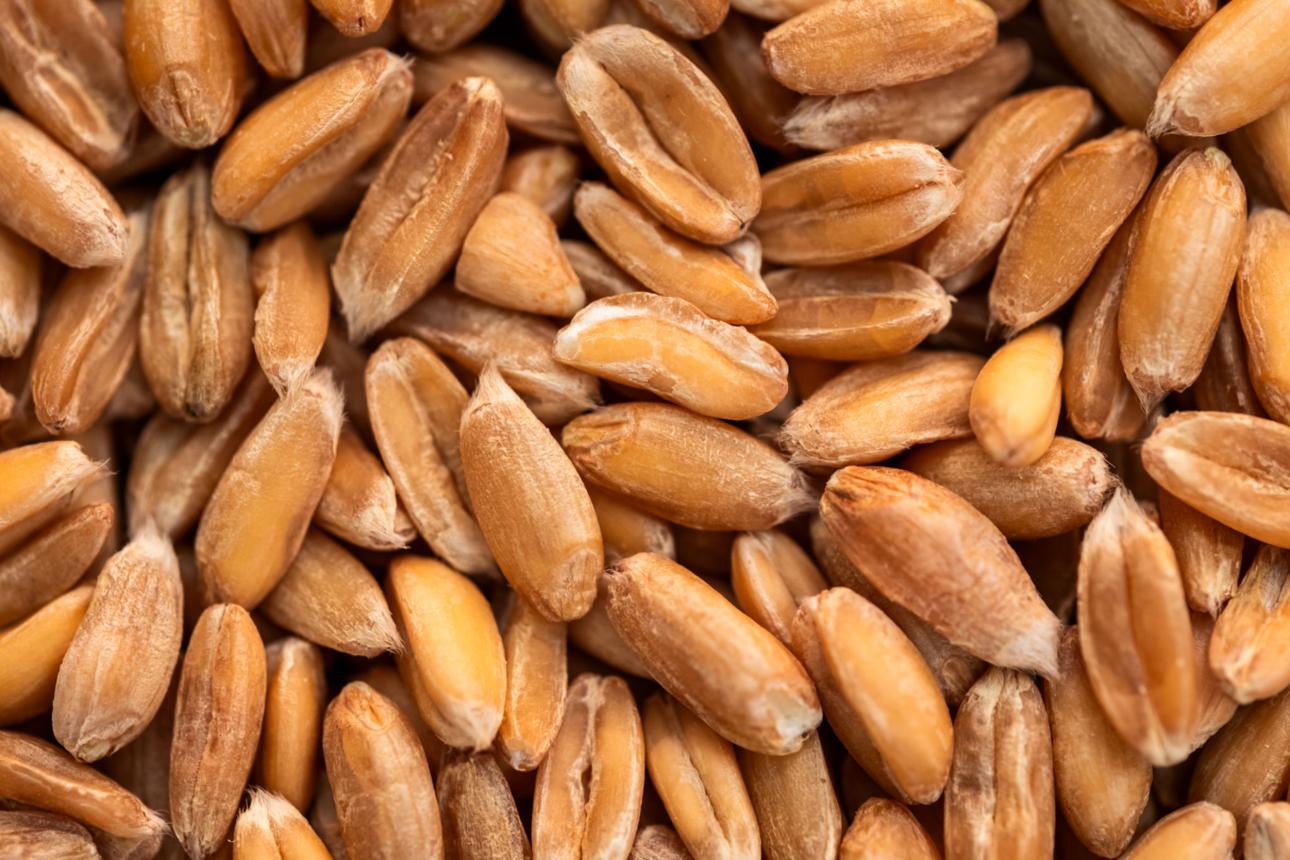
Khorasan Wheat
Kamut® (registered trademark for a specific variety).
Large, elongated wheat kernels with a golden amber color and smooth outer surface. Approximately 2–3 times the size of standard wheat kernels — known for rich nutty flavor and high protein content.
🌾 Large amber kernel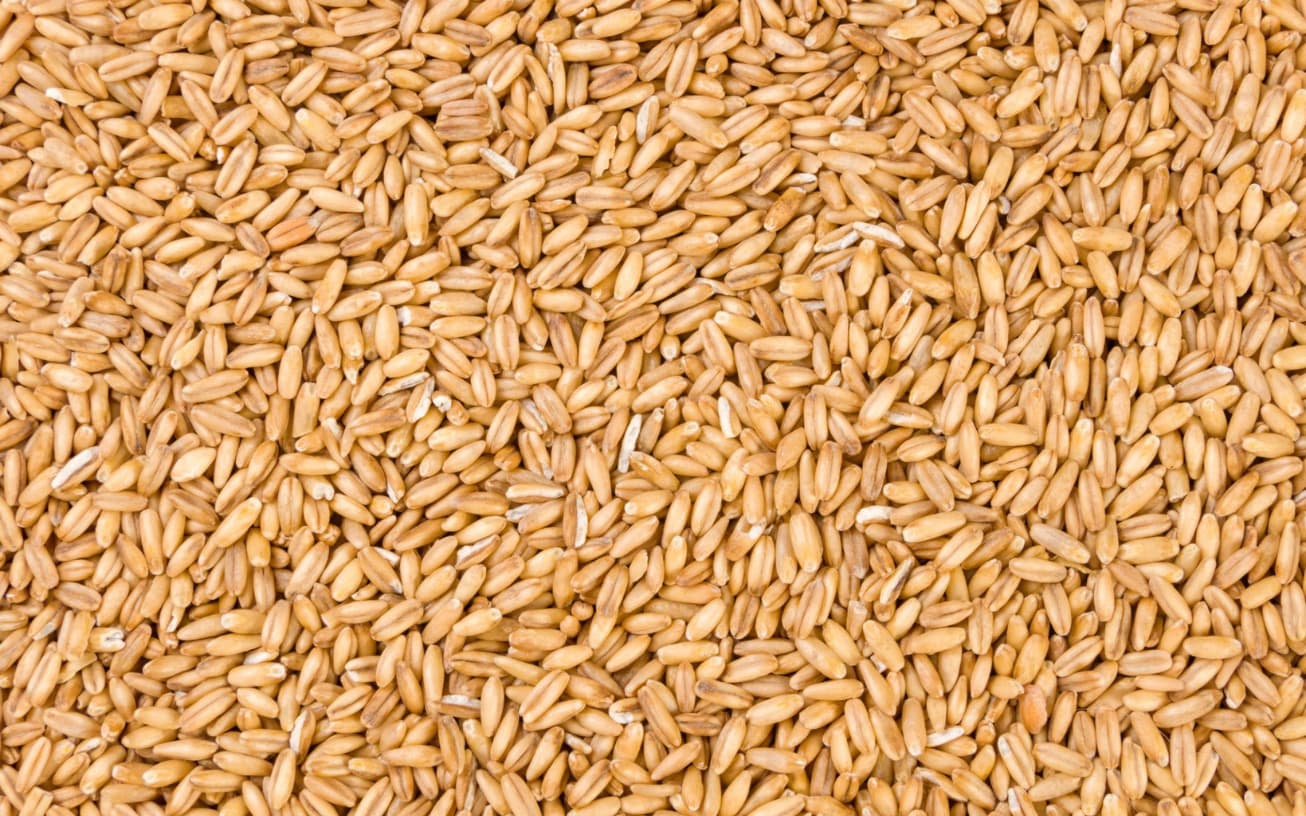
Einkorn Wheat
Single-Grain Wheat (Triticum monococcum).
Small, slender wheat kernels with a light golden color and tight husk structure. Smaller than modern wheat varieties — typically narrow and elongated in shape. One of the oldest cultivated grains.
🌾 Ancient single-grain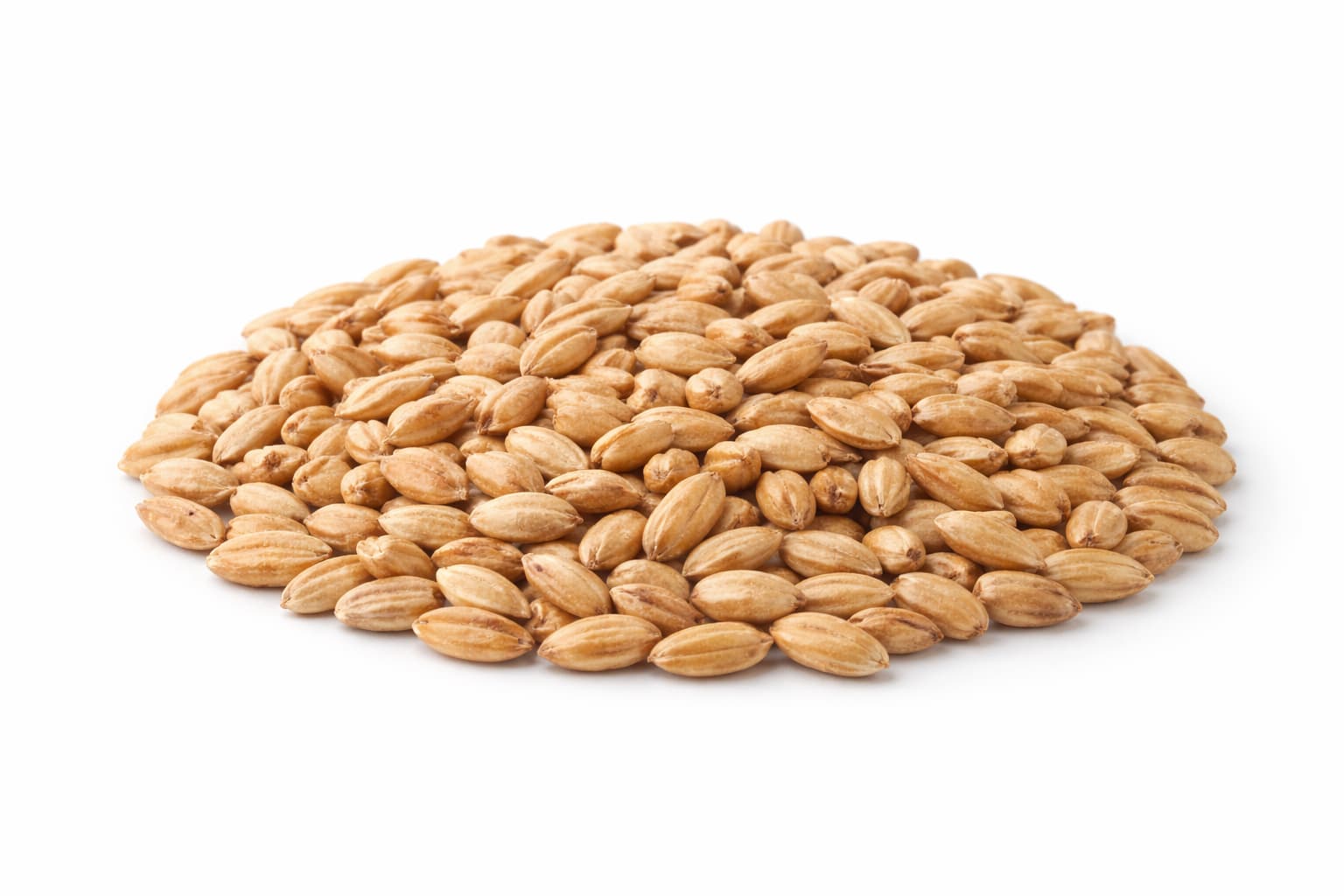
Spelt
Spelt Wheat (Triticum spelta).
Medium-sized wheat kernels with a reddish-brown to light tan color and firm outer hull. Similar in size to common wheat, with a slightly longer and more tapered shape. Nutty flavor, suitable for artisan baking.
🌾 Nutty · artisan baking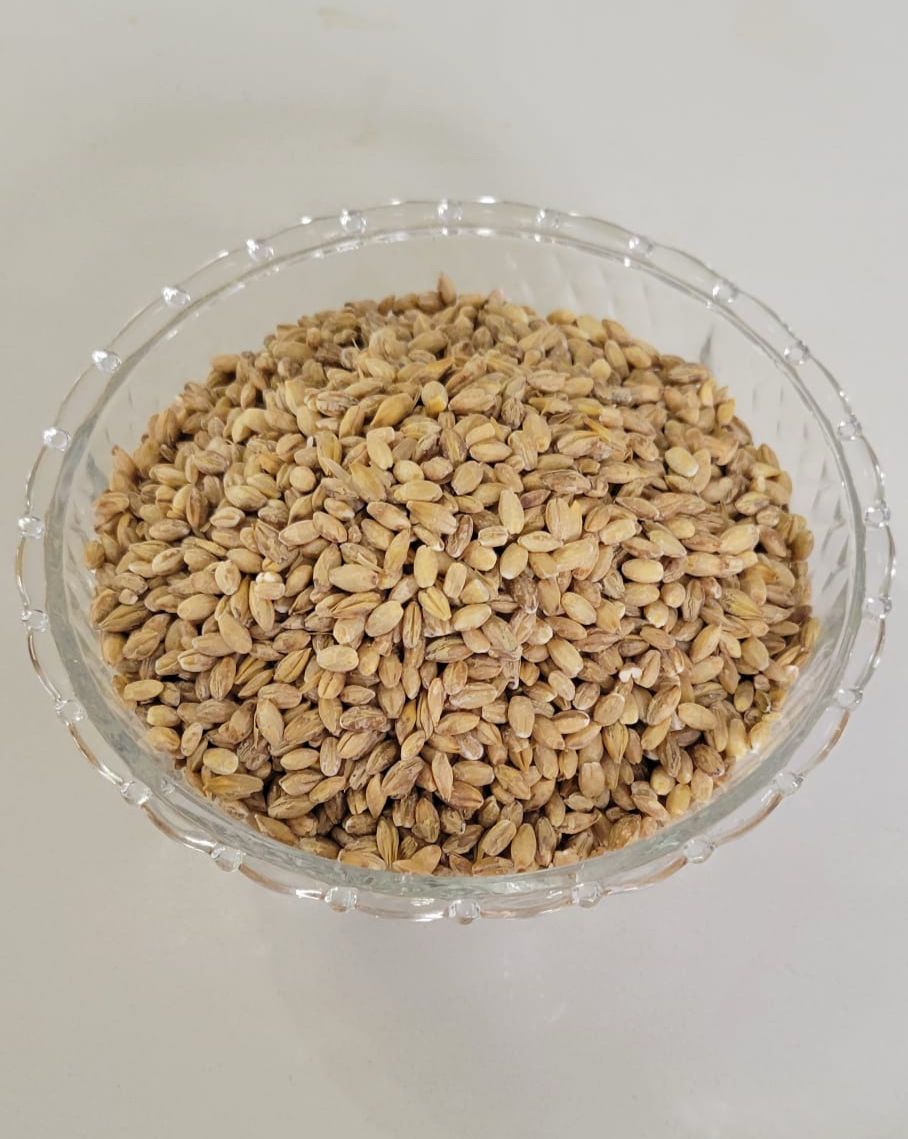
Barley
Hulled Barley, Hulless Barley (variety dependent).
Oval-shaped cereal grain with a fibrous outer hull; color ranges from light yellow to pale brown. Measurement approximately 6–8mm in length. Versatile grain used in food, brewing and livestock feed.
🟡 6–8mm · multi-use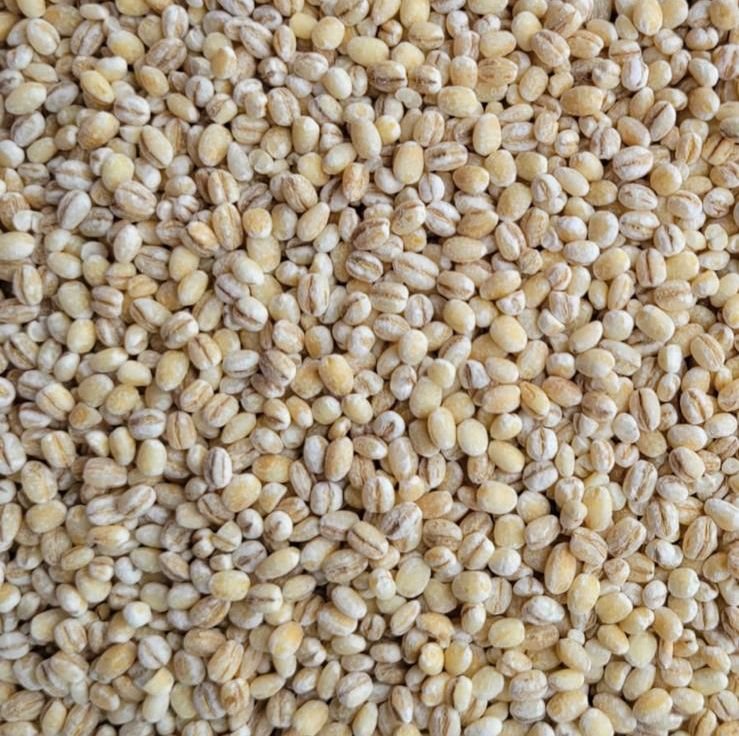
Pet Barley
Feed Barley, Feed Grade Barley.
Oval-shaped cereal grain with fibrous outer hull; light yellow to pale brown with variability depending on grade. Measurement approximately 6–8mm. Used as a high-energy feed ingredient for livestock and pets.
🌾 Feed grade